What is a BESC Certificate?
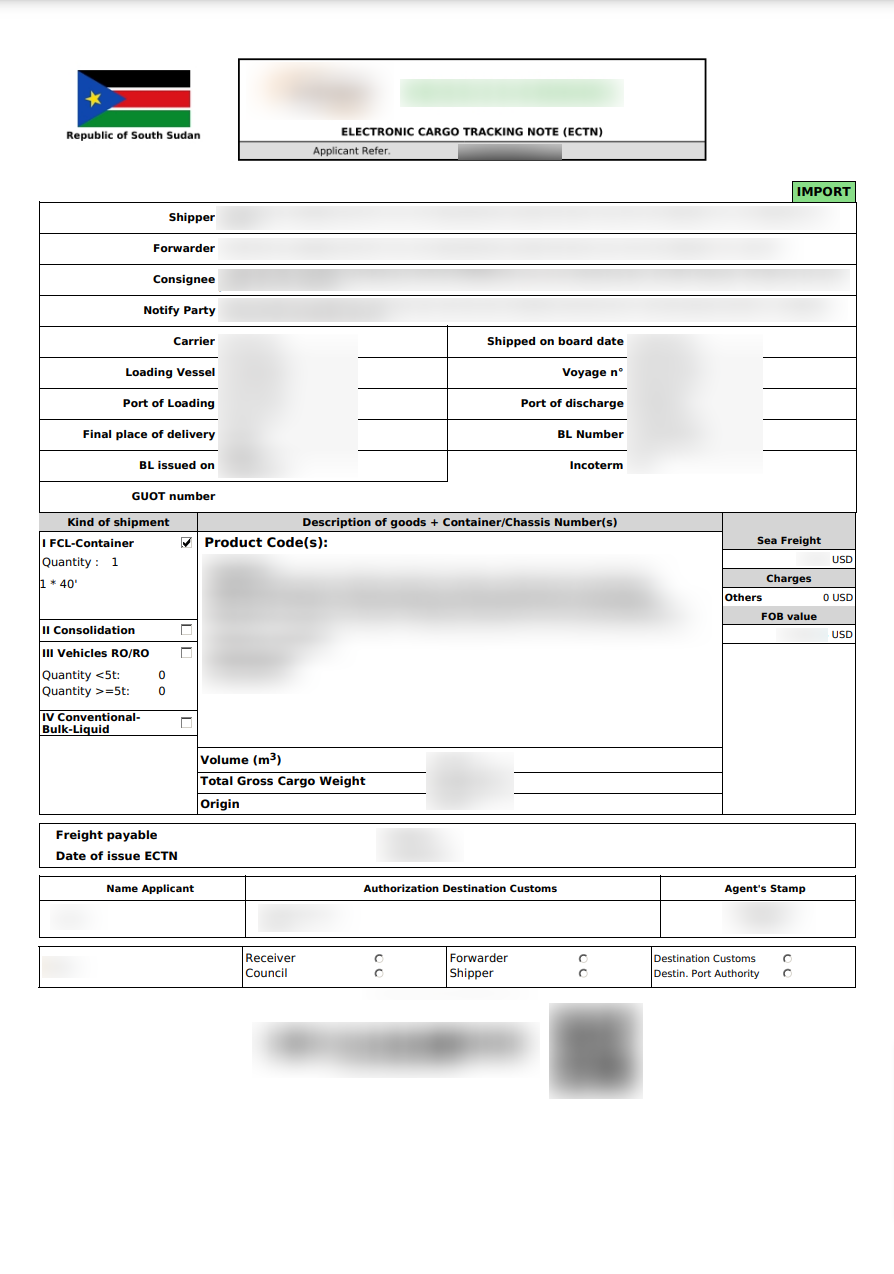
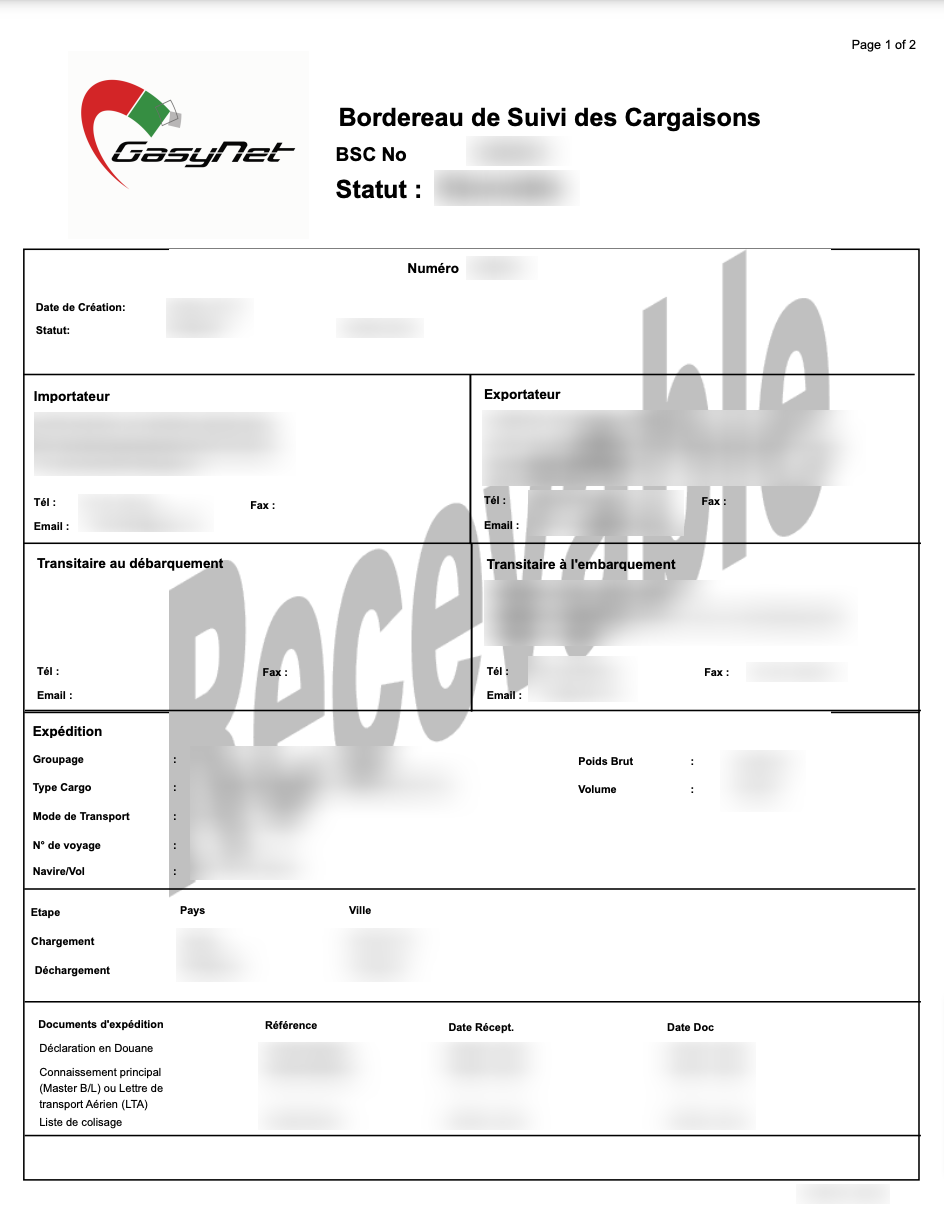
A BESC Certificate stands for Bordereau Électronique de Suivi des Cargaisons (in French), which translates to Electronic Cargo Tracking Note (ECTN) in English.
It is a mandatory shipping document required by customs authorities in several West and Central African countries (such as Benin, Togo, Burkina Faso, Democratic Republic of Congo, Ivory Coast, Gabon, Niger, Chad, Central African Republic, etc.) for all cargo entering their ports.
Purpose of the BESC Certificate:
The BESC certificate is used to track and monitor international cargo from the port of loading to discharge, providing advance shipment details to destination authorities. It helps governments collect accurate trade statistics, strengthen customs control, and combat fraud, smuggling, and under-declaration of goods.
Key Details on a BESC
A BESC certificate contains essential shipment details, including shipper and consignee information, freight forwarder or agent details, Bill of Lading number, vessel name with voyage number, and a full description of the cargo with its weight, volume, and HS Code. It also specifies the value of goods along with applicable freight charges.
Who Issues It
The BESC certificate is issued by authorized representatives or agents of the destination country, typically through an online portal, and it is the responsibility of the shipper or freight forwarder to apply for it before the cargo is shipped.
Why It’s Important
Without a valid BESC/ECTN, cargo may face heavy fines, delays, or even refusal of entry at the destination port, as customs authorities will not clear the shipment until the certificate is provided.
What is a ECTN Certificate?
An ECTN Certificate stands for Electronic Cargo Tracking Note (also known as BESC in French-speaking countries).
It is a mandatory shipping document required by customs authorities in many West and Central African countries for all cargo entering their ports.
Purpose of the ECTN Certificate
The ECTN certificate is used to track and monitor international cargo from the port of loading to discharge, providing advance shipment details to destination authorities. It helps governments collect accurate trade statistics, strengthen customs control, and combat fraud, smuggling, and under-declaration of goods.
Key Details on a ECTN
A ECTN certificate contains essential shipment details, including shipper and consignee information, freight forwarder or agent details, Bill of Lading number, vessel name with voyage number, and a full description of the cargo with its weight, volume, and HS Code. It also specifies the value of goods along with applicable freight charges.
Responsibility & Issuance
Issued by authorized agents of the destination country (usually via an online portal).
The shipper or freight forwarder must apply for it before the vessel departs.
Why It’s Important
Cargo shipped without a valid ECTN can be penalized with heavy fines, delays, or even denied entry at the destination port, as customs clearance will not be granted without it.
What is a CNCA Certificate?
CNCA Certificate stands for Conselho Nacional de Carregadores de Angola (in Portuguese), which is the National Shippers’ Council of Angola Certificate.
It is essentially the same type of document as the BESC/ECTN, but specific to Angola. It is a mandatory cargo tracking note required for all shipments bound for Angola.
Purpose of the CNCA Certificate:
The CNCA certificate is used to track and monitor international cargo from the port of loading to discharge, providing advance shipment details to destination authorities. It helps governments collect accurate trade statistics, strengthen customs control, and combat fraud, smuggling, and under-declaration of goods.
Key Details on a CNCA
A CNCA certificate contains essential shipment details, including shipper and consignee information, freight forwarder or agent details, Bill of Lading number, vessel name with voyage number, and a full description of the cargo with its weight, volume, and HS Code. It also specifies the value of goods along with applicable freight charges.
Importance
Shipments to Angola without a valid CNCA certificate face high fines, delays, and non-clearance at Angolan ports. Customs will not release the cargo until the CNCA is presented.
Responsibility & Issuance
Issued by authorized CNCA agents through an online portal. The shipper or freight forwarder must apply for the CNCA certificate before shipment departs.
All Countries
CTN / BESC / ECTN / FERI / BIETC / CNCA Certificate and Countries We Provide Service
























CTN / BESC / ECTN / FERI / BIETC / CNCA Certificate Simple